The world

Averlund

A hundred years of watchfires along the eastern marches, from the Coldwater fords to the grey walls of the capital. Farms, mills, granaries and a chain of keeps — frontier country, and for a generation an uneasy peace.

Summer mosquitoes

For a hundred years the greenskins were a nuisance and nothing more. A bitten farmhand. A burned barn. A raid scattered by first light and a magistrate's report nobody read twice. The marches had a rhythm to them: sow, harvest, muster, patrol, and once a season chase something green back into the eastern hills.

Mosquitoes, though, do not march in step. They do not lay ambushes, or hold a ford, or fire a granary the night before a larger push. When the raids began arriving in order, the border captains wrote it up as luck. When the luck held for a second season, they sent to the capital for the King's best.

"For a hundred years the greenskins were summer mosquitoes — a bitten farmhand, a burned barn, a raid scattered by first light. But mosquitoes do not march in step. Something is giving the horde a mind." The Iron Betrayal — opening

What follows is the war the marches were never built for: two campaigns, nineteen battles, and one question asked from both sides of the same collapse — what turns a mob into an army, and what it costs the people who work out the answer.

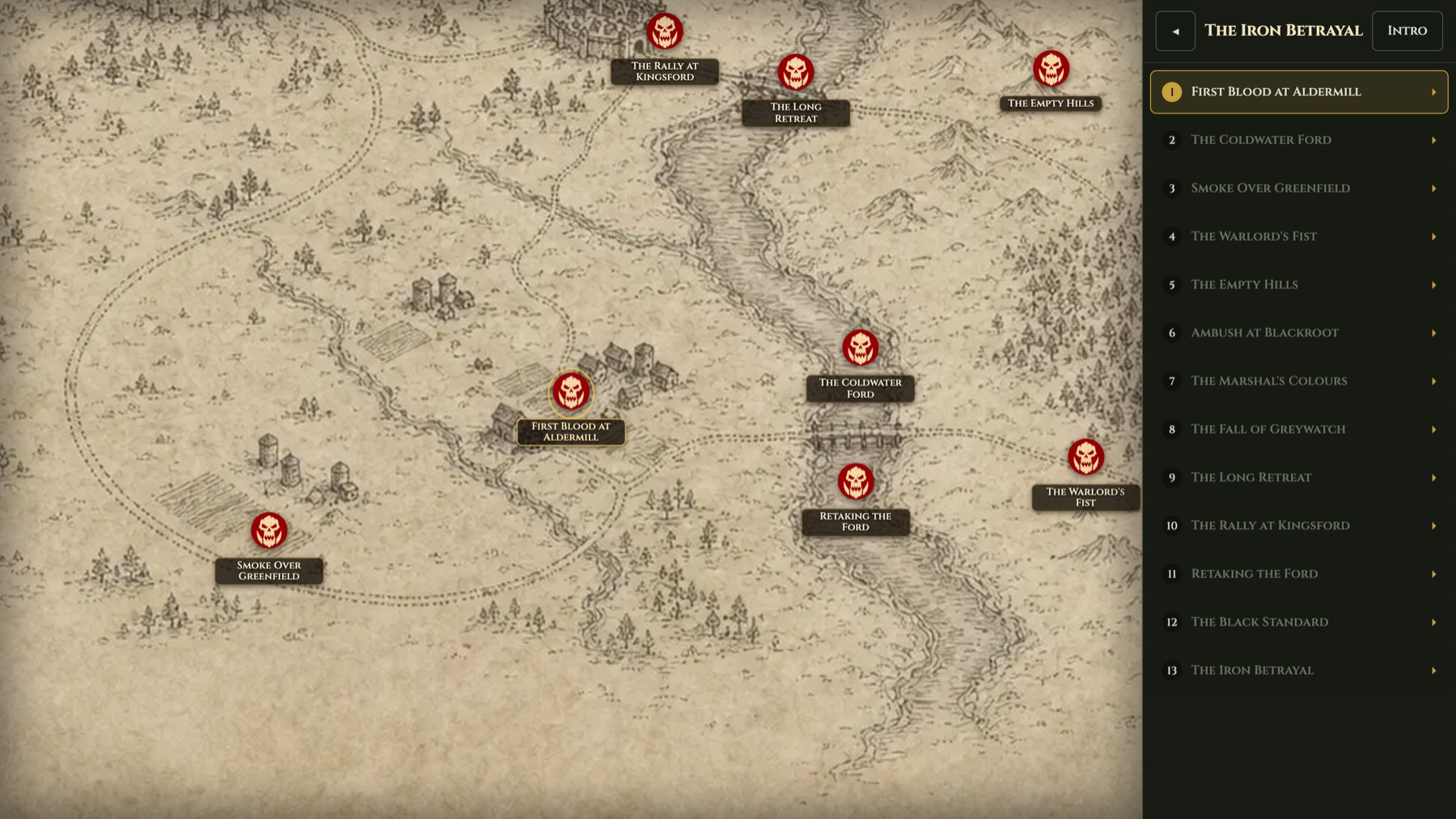
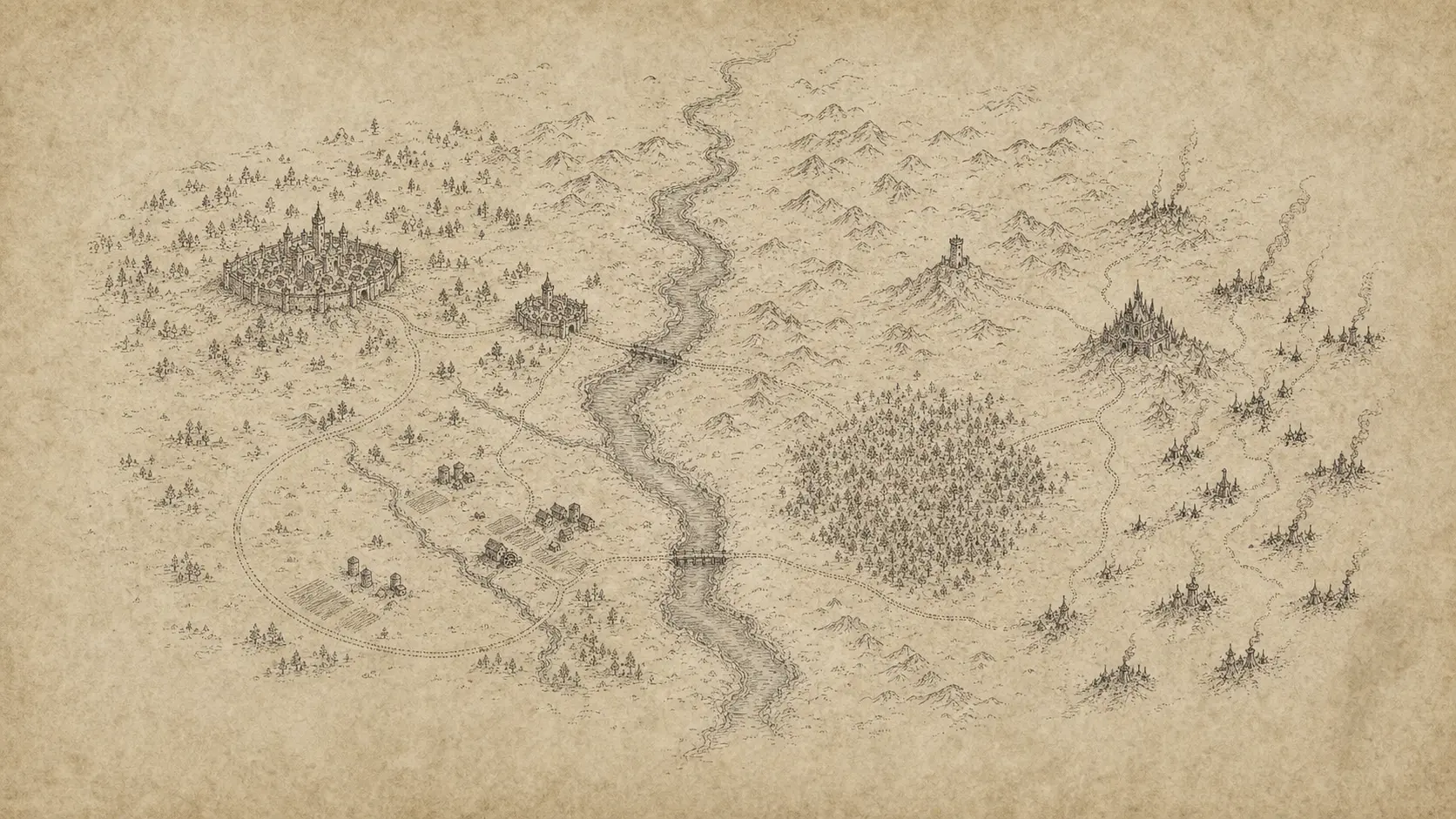
A hand-drawn campaign map of the marches of Averlund
The marches, as the war finds them

The armies

Two hosts, two tempers

Both armies ship with the base game and both are playable in every mode. In Advanced play each fights to its own nature — the Kingdom by discipline, the Horde by weight of numbers.

Gold and steel

The High Kingdom

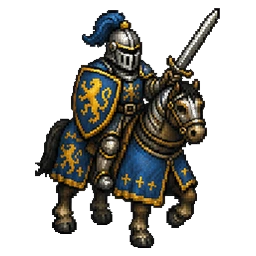
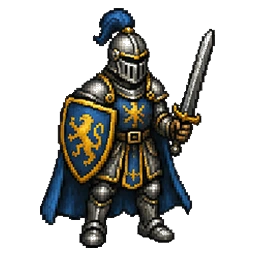
Drilled, provisioned and expensive. The Kingdom's strength is its shape: ranks that hold, flanks that don't gape, knights kept in hand until the moment they're worth spending. Its weakness is the same thing — a Kingdom line that loses its shape loses the battle, and the marches are full of ground that breaks a line apart.

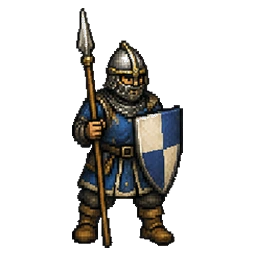
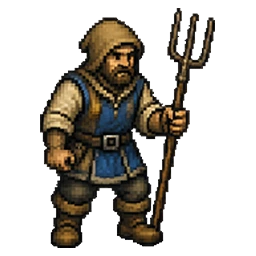
The frontier fights alongside the professionals. Militia are townsmen with a spear and a season's training; peasants are a levy handed a pitchfork the morning of. They die easily and they hold ground the knights would rather not.

In Advanced play the Kingdom is disciplined: a soldier braced in a shield wall — beside a friendly unit of the same type — shrugs off the morale shock of casualties that would break a looser army.

5Lord Knights CV
4Imperial Knights CV
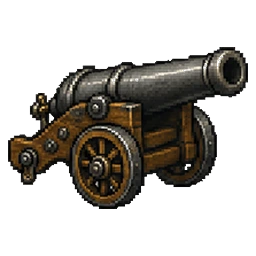
8Cannon range
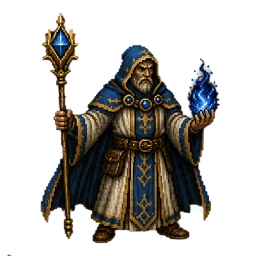
+2Mage skill
Lord KnightsCV 5 · Leader
Imperial KnightsCV 4 · Holds tower
Men-at-ArmsCV 3
MilitiaCV 2
PeasantsCV 1
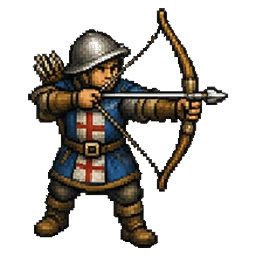
Imperial ArchersCV 2 · Range 2
CrossbowmenCV 2 · Range 3
Mighty CannonRange 8
Imperial MageMagic +2

Green and iron

The Ork Horde

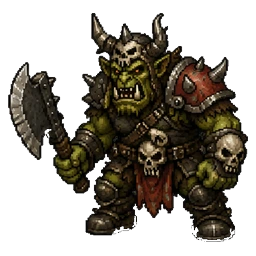
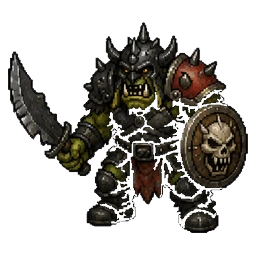
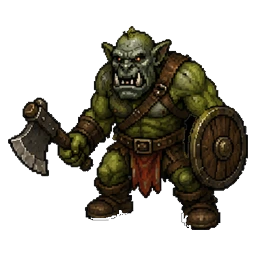
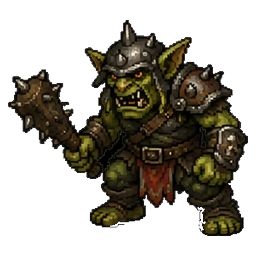
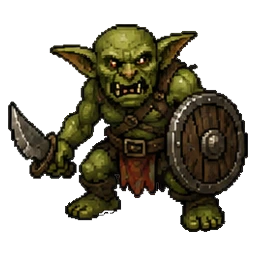
Tribes, not regiments. The Horde arrives as weight — goblins by the score, orcs behind them, and somewhere in the press a boss big enough to make the rest listen. Left alone the tribes feud, raid, and drift home with whatever they can carry. Given a mind, they become the thing the marches were never built to stop.

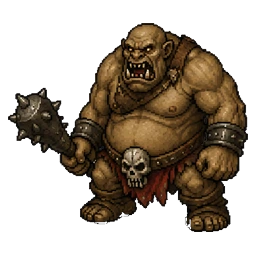
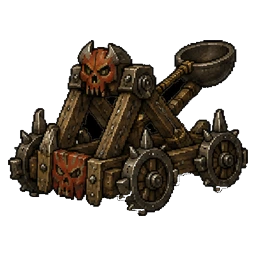
Nothing about greenskin strength is subtle. Dark Orks hit at five and defend at three. The Ogre Champion takes six hits to bring down and shrugs off wounds that would fell a knight. The Catapult lobs shot eight hexes and occasionally kills its own crew.

In Advanced play the Horde is a mob: fearless, so casualties never break it — but undisciplined. Fell the Warboss, or a bigger 'ard boy standing among lesser orks, and the green tide loses its nerve and mills about confused.

6Big Boss attack
6Ogre lives
3Ogre toughness
8Catapult range
Ork Big BossCV 5 · Leader
Dark OrksCV 4
OrcsCV 3
'Ard GoblinzCV 2
GoblinsCV 1
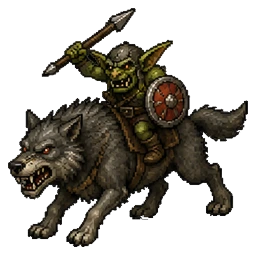
Wolf RidersCV 2 · Cavalry
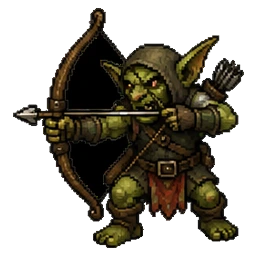
Goblin ArchersCV 2 · Range 2
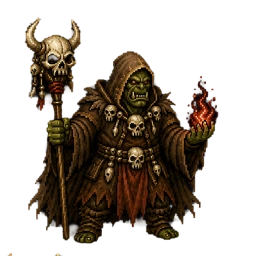
Ork ShamanMagic +2
Ogre ChampionCV 4 · 6 lives
CatapultRange 8
Warboss GrulkCV 5 · Story unit

A note on names

The Horde's units were drafted under working names long before the world had one. What ships is what the world bible says: greenskins, bosses and witch-lore. There are no dark gods in Averlund and never were — the uncanny here is ork witch-lore: bone relics and shaman spellcraft, old as the northern barrows.


Figures of the war

Four names the marches will remember

General Aldric Corvane

General Aldric Corvane — "the Iron Marshal"

The King's finest

Hero of a dozen border wars, and the man the crown sends east when the raids stop looking like raids. He is everything the Kingdom wants a commander to be: unhurried, exact, and impossible to rattle.

He is also the only man on the border who has ever been asked to hand over his own people for a season's peace — and who did it. The marches remember the Ashmarch. So does he.

Lord Aldemar

Lord Aldemar

Castellan of Greywatch

Old, wounded, and the last name the loyal houses will still rally to. Whatever is happening on this border, Aldemar has worked out more of it than he is saying — which makes getting him off a wall under assault the most important thing anyone does that week.

Warboss Grulk

Warboss Grulk

Not the biggest boss. The hardest.

A lesser boss in a horde that has just lost the thing holding it together. When the tribes panic, a goblin cries his name — and Grulk takes the rabble by the scruff and starts walking north. Loyal to his people, and to nothing else.

The question North of the Kill asks is whether being 'ard is enough to be a boss — and the campaign means it: lose Grulk in any of the six missions and the run is over. He is built to carry that, and he is still only one ork.

Uzgra, the old shaman

Uzgra

The old shaman

Older than any ork has business getting, and frail as dry sticks with it. He carries the whole lore — every working the tribe still remembers — and one of its witch-relics, home to the north. The young ones make signs when he passes.

He cannot fight and must not fall, which makes him the most valuable thing on several battlefields. He shuffles at his own pace, naming turnings in a road nobody else can see.

The young captain

The Young Captain

Unnamed by design — you

Somewhere in the collapse, the survivors stop looking to the men who were supposed to lead them and start looking at whoever is still giving orders. That is the captain. That is you.


Gazetteer

Ground worth dying on

Aldermill
A mill-village, and the war's first organised raid.
The Coldwater Ford
A river crossable at two fords. Defended in Act I, retaken in Act III.
Greenfield
Farms and grain stores. Not looted — starved, the granaries fired before a larger push.
The Empty Hills
Where a relief column failed to come.
Blackroot
A wooded defile, and an ambush that should not have been possible.
Greywatch
The kingdom's eastern shield — the keep the marches believe cannot fall.
Kingsford
Where whatever is left of the marches finally turns and stands.
The Ashmarch
A march the crown bargained away years ago for a season's peace. Nobody west of the border says the name aloud.
The Frostmarch
Frozen waste north of the marches — a gorge crossable only at its bridges.
Wolf's Pass
The notch in the northern peaks; the horde's road out of the Frostmarch.

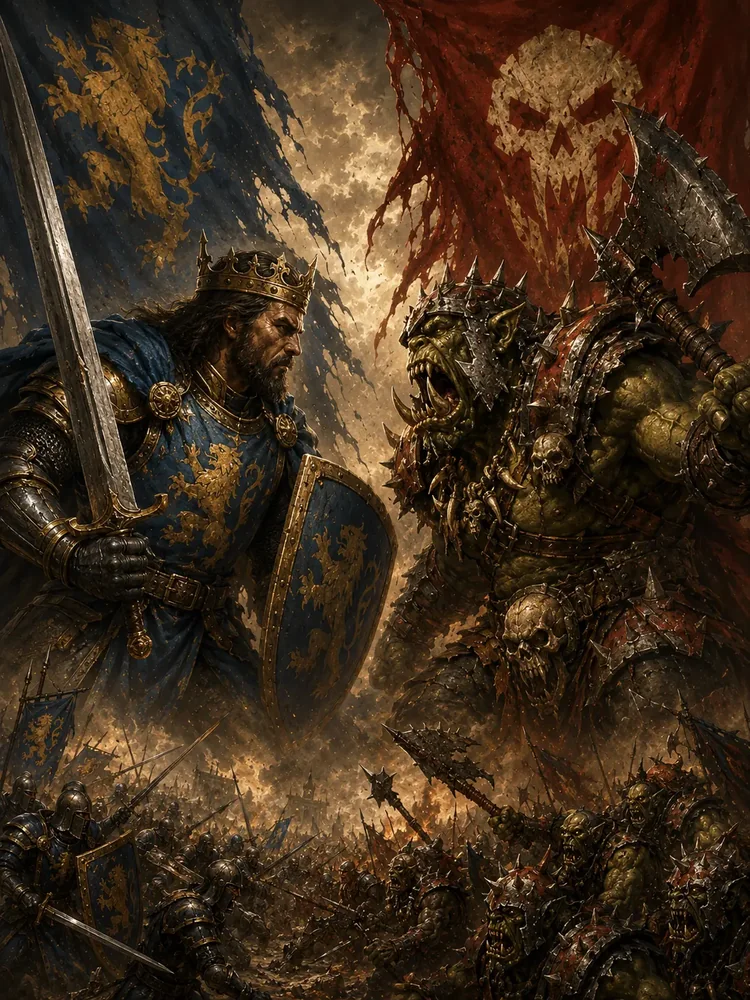
The Iron Betrayal — a crowned king faces an ork warlord across torn banners

Campaign · 13 missions · you command the High Kingdom

The Iron Betrayal

Act I — The Mosquito Learns to March

Greenskins, but organised: flank ambushes, taught aggression, raids that arrive in sequence rather than by season. You hold a mill, contest a ford and lose a granary while the reports going west get harder to write. The King reads them and sends his best.

Act II — The Iron Bends

Reinforcements that don't come. An ambush that should not have been possible. A keep the marches were told could not fall. Somewhere in this act the war stops being a war against the horde, and the border learns a word it will not be able to take back.

Get Lord Aldemar off that wall alive. He knows something, and he is not going to say it in front of the men.

Act III — The Reckoning

What's left of the marches rallies at Kingsford, and finally hears the why — a debt the crown ran up years ago, in a place nobody west of here bothers to name. Then the long walk back east: retake the ford you once defended, break the standard flying over it, and settle the thing in person.

The campaign title is a promise, not a spoiler. Who breaks, when, and what it costs to answer for it — that's the thirteen missions.


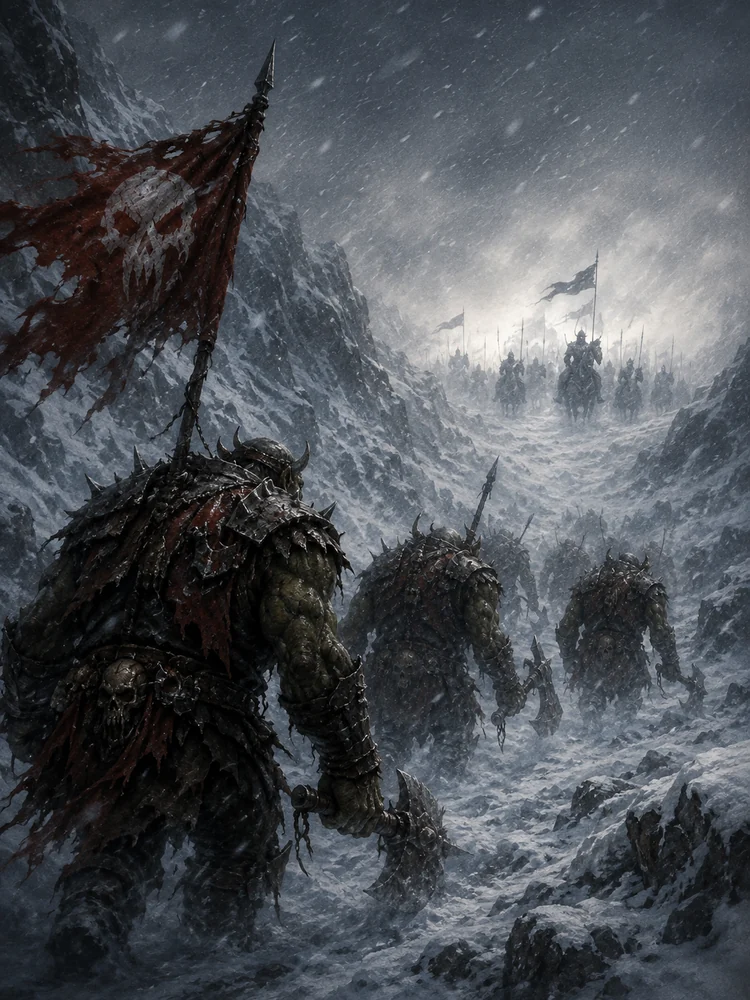
North of the Kill — Warboss Grulk leads the broken horde north through a blizzard

Campaign · 6 missions · you command the Ork Horde

North of the Kill

The same war, from the losing side, after it has already gone wrong. Whatever was holding the horde together is gone, the tribes are panicking, and the Kingdom is coming east to finish what's left of them. A goblin cries a name — Grulk — and the rabble runs north.

Best played after The Iron Betrayal: it starts where that campaign leaves off, and it does not pretend otherwise.

This is an attrition campaign in warband mode: you field a pool of greenskins that only shrinks, unless you spend plundered gold on fresh ones. Your dead do not come back.

Break the cordon in ash and snow. Seize a bridge and work the drawbridge for the gold behind it. Survive the cull, encircled. Walk Uzgra over a gorge while Imperial knights ride the ice to reach him. Hold a rearguard you are not meant to survive. Then climb Wolf's Pass itself — a real ascent, ledge by ledge — or cut down the Imperial captain sealing it.

Every mission on this campaign is built on its own board: its own size, relief, gorge and props. No two of the six read alike.

You are the hunted, fleeing extermination, and that inversion is the entire point of the campaign.
The long hook

Something in the far north

Ork witch-lore is older than the tribes that carry it. The bone relics come from somewhere. The barrows were dug by someone. Both campaigns end with their survivors walking toward the same cold horizon, and nobody explaining why.

It has no name yet. The shaman mutters. The wind past the pass is warm when it has no business being warm.

Read enough. Take the field.

Nineteen missions across both campaigns ship with the base game.